


Asbestos Testing in Materials: Methods, Requirements and Sample Types
Summary: Asbestos testing identifies asbestos in building products, soils and waste. It supports pre-refurbishment and pre-demolition investigations, waste management and compliance with the applicable requirements.
BJL Laboratoires provides asbestos testing in materials in accordance with the applicable French regulatory requirements. We select the analytical method according to the matrix, including building materials, soils and waste, to provide reliable and usable results.
What is asbestos testing in materials?
Asbestos testing investigates the presence of asbestos fibres in a solid sample. The results support the planning of work, the selection of appropriate waste management routes and compliance with regulatory requirements.
When may asbestos testing be required?
Depending on the materials, project and applicable requirements, laboratory testing may be needed for:
- Pre-refurbishment asbestos surveys
- Pre-demolition asbestos surveys
- Waste identification, segregation and management
- Characterisation of potentially contaminated soils or materials
The need for sampling and analysis should be assessed in the context of the survey or investigation. A laboratory result alone does not replace a complete asbestos survey.
Which materials may contain asbestos?
Asbestos testing by sample type
Soils, excavated earth and sediments
- Excavated soils
- Earth from construction sites
- Sediments and sludges
Purpose: support decisions on material management and treatment.
Aggregates, fill and road materials
- Natural or recycled aggregates
- Fill materials
- Asphalt and bituminous materials
Purpose: support decisions on recovery and use.
Rubble and construction waste
- Demolition waste
- Waste intended for assessment against inert waste acceptance criteria
- Multi-component materials
Purpose: identify appropriate waste management routes and help prevent non-compliance.
Complex materials
- Multi-layer materials
- Composite products
- Heterogeneous materials
Purpose: obtain reliable findings for challenging matrices.
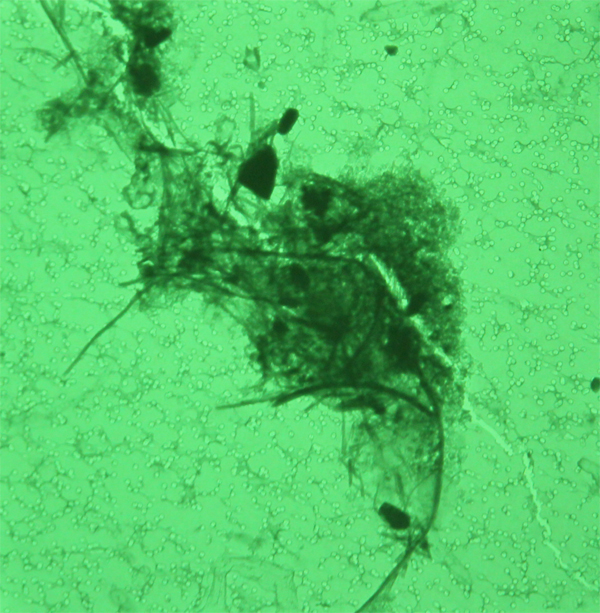
Asbestos under TEM
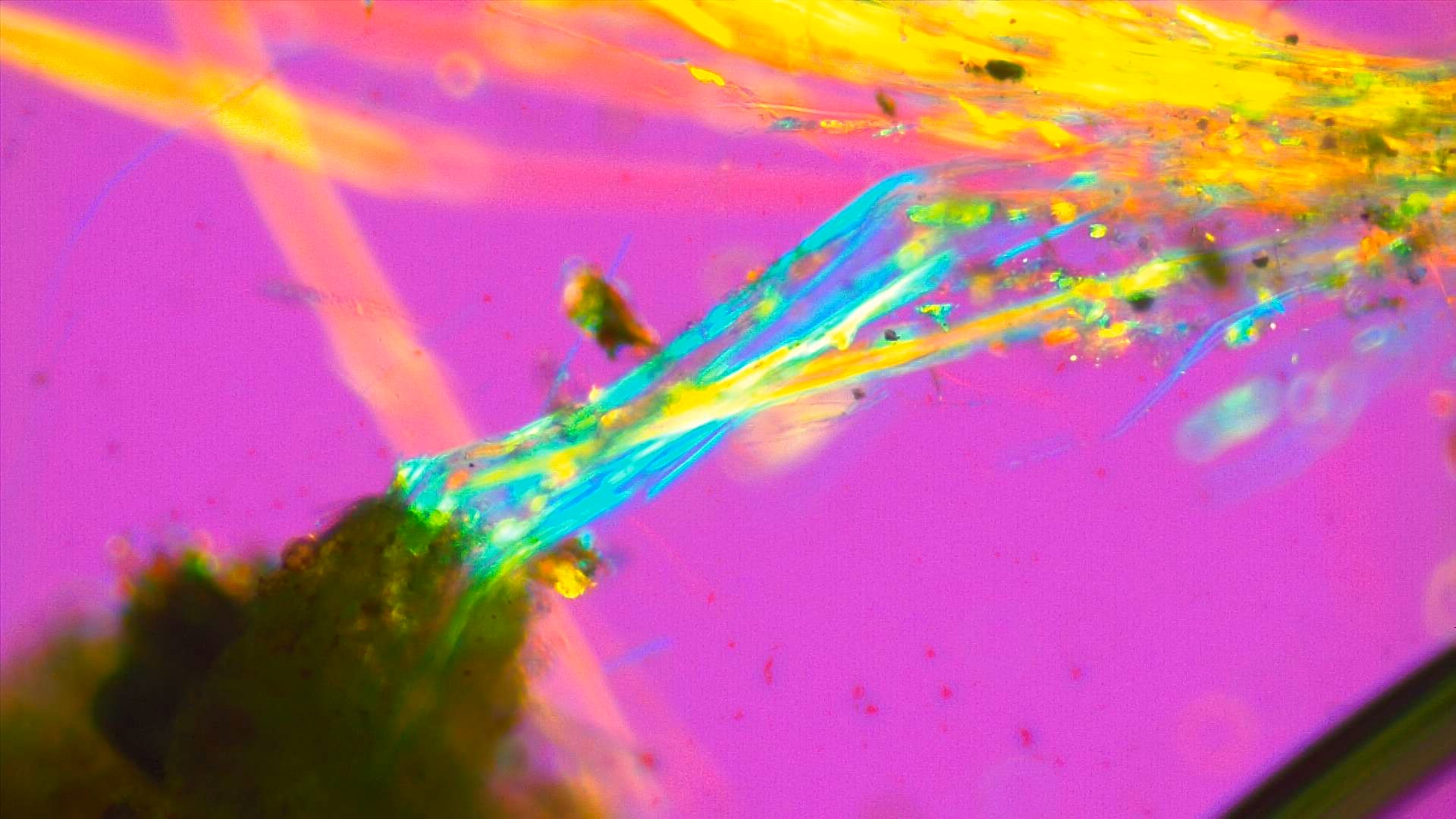
Asbestos under PLM
How does asbestos testing work?
- Collection of a representative sample using appropriate precautions
- Sample preparation in the laboratory
- Microscopic analysis using polarised light microscopy (PLM) or analytical transmission electron microscopy (ATEM/TEM), as appropriate
- Investigation and identification of asbestos fibres
- Preparation of an analytical report
Which asbestos test should you choose?
The appropriate analysis depends on the nature of the material and the possible origin of the asbestos. The categories described below relate to the French framework established by the Order of 1 October 2019, as amended by the Order of 3 June 2025.
A distinction is made between:
- Scope 1 asbestos testing: detection of intentionally added asbestos in manufactured materials and products, such as building products into which asbestos was incorporated during manufacture.
- Scope 2 asbestos testing: detection of naturally occurring asbestos in raw materials, such as rocks, soils, aggregates and samples from geological outcrops.
- Scope 3 asbestos testing: detection of naturally occurring asbestos in manufactured materials and products, such as certain asphalt mixtures, concretes and road or demolition materials.
Rubble, asphalt, concrete and construction waste may require different investigations depending on their composition and the origin of the asbestos being sought. Naturally occurring asbestos in a raw material must be distinguished from naturally occurring asbestos in the mineral constituents of a manufactured product.
The laboratory should confirm the appropriate scope or combination of analyses based on the sample and the purpose of the investigation.
Read our complete guide: Which asbestos test should you choose?
Frequently asked questions about asbestos testing in materials
How can you tell whether a material contains asbestos?
Visual inspection alone cannot reliably establish whether a suspect material contains asbestos. Laboratory analysis can confirm its presence in the submitted sample.
Which materials should receive particular attention?
Older building materials, particularly those used in France before 1997, may contain asbestos. Examples include sprayed coatings, floor tiles and asbestos-cement products. The potential risk also depends on the material’s condition and how it is disturbed.
How much does asbestos testing cost?
The cost depends on the number of samples and the type of matrix.
How long does it take to receive the results?
Turnaround times vary according to the urgency of the request and the volume of testing required.
Asbestos testing and on-site services in Paris, Île-de-France and Normandy
BJL Laboratoires supports professionals requiring asbestos testing in materials, soils and waste, with on-site services in Paris, Île-de-France and Normandy. We accept samples from across France.
See also: asbestos testing laboratory near Paris | asbestos air monitoring.
BJL Laboratoires – your partner for asbestos testing and the management of materials and waste under the applicable regulatory requirements.