


Lead Dust Wipe Sampling: Method and Procedure
Lead dust sampling is carried out using a wipe over a defined surface area. This method measures surface contamination and supports the assessment of potential exposure in buildings.
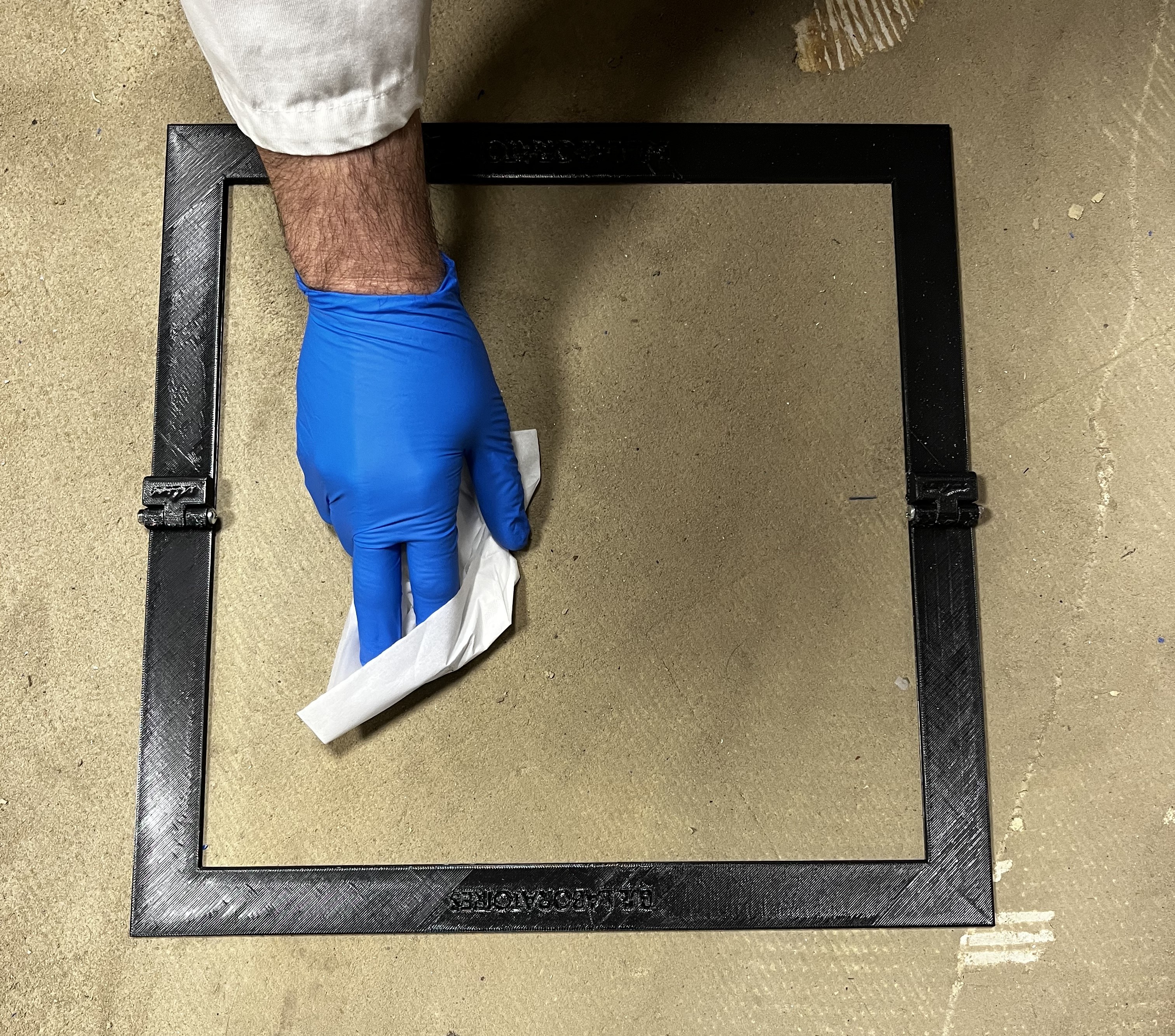
Lead dust wipe sampling over a defined and measured surface area
What is lead dust wipe sampling?
Sampling involves wiping a defined surface area with a suitable wipe to collect settled dust. The sample is then analysed in the laboratory to determine the amount of lead collected.
How is a lead dust wipe sample collected?
- Define and accurately measure the sampling area in accordance with the applicable protocol.
- Use a suitable sampling wipe.
- Wipe the defined area systematically, following the laboratory’s instructions.
- Place the wipe in the designated sample container.
- Label the sample and record the location and exact area sampled.
- Send the sample and accompanying information to the laboratory.
Confirm the required sampling area, wipe type and packaging with the laboratory before sampling.
Which surfaces can be sampled?
- Floors
- Window sills
- Skirting boards
- Other horizontal surfaces
Why collect lead dust samples?
- Investigate suspected contamination
- Check conditions after work
- Support health risk assessment
- Support compliance with applicable requirements
Laboratory analysis
The wipes are analysed in the laboratory to determine the amount of lead collected. This result is related to the sampled area to calculate the surface lead loading, expressed in µg/m².
The exact sampled area must therefore be provided with each sample.
Lead dust testing
For more information about the analytical service, visit our page on lead dust testing.
Related information
Lead dust thresholds | Lead testing prices
BJL Laboratoires – your laboratory for lead dust analysis.