


Asbestos analysis methods: PLM, ATEM/TEM and PCM
BJL Laboratoires performs laboratory asbestos testing on different types of samples, including building materials, asphalt, soil, waste, air samples and complex matrices. Depending on the nature of the sample and the context of the request, different analytical methods may be used to detect, observe or identify asbestos fibres.
The main methods used in asbestos analysis are polarised light microscopy (PLM, known as MOLP in French), analytical transmission electron microscopy (ATEM or TEM, known as META or MET in French), and phase contrast microscopy (PCM, known as MOCP in French) for certain types of airborne fibre analysis. Each method has a specific role, together with its own advantages, limitations and fields of application.
This page presents the main asbestos analysis methods used in the laboratory, their general principles and the types of samples concerned.
Request an asbestos testing quote
Asbestos analysis by PLM
PLM, or polarised light microscopy, is an observation method used to characterise certain mineral fibres present in materials. It reveals optical properties that are useful for identifying suspected fibres, depending on the nature of the sample and the matrix analysed.
This method may be used to analyse materials where the observation conditions are suitable. Examples include fibrous materials, fragments of building products, certain coatings, insulation products, seals, boards, tiles and composite materials.
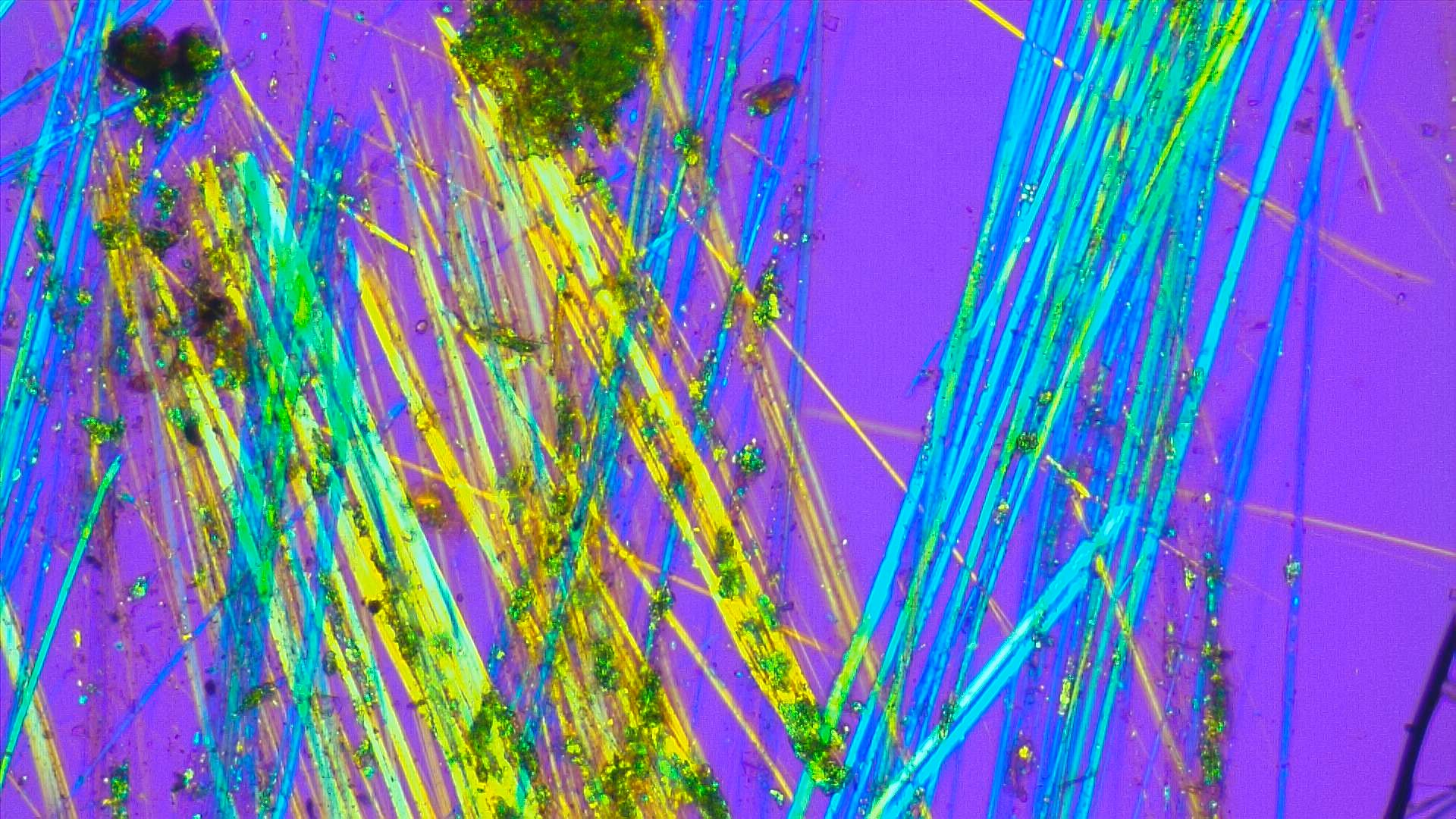
PLM is useful for the rapid observation of certain materials, but it does not systematically replace electron microscopy when the matrix is complex or highly loaded, or when very fine fibres must be characterised.
Asbestos analysis by ATEM or TEM
ATEM, or analytical transmission electron microscopy, is a high-precision method used to identify asbestos fibres. It enables very small fibres to be observed and provides morphological and chemical information that assists with their identification.
ATEM is particularly important for analyses requiring detailed fibre characterisation. Depending on the analytical context, it may be used for complex materials, difficult matrices, asphalt, soil, waste or air samples.
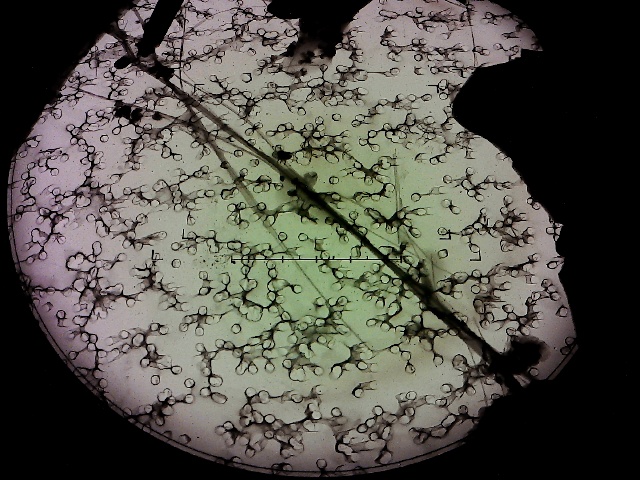
In electron microscopy, observation of fibre morphology can be supplemented by chemical analysis. This combination helps differentiate mineral fibre families and identify regulated fibres in asbestos analysis.
Spectrum analysis and fibre identification
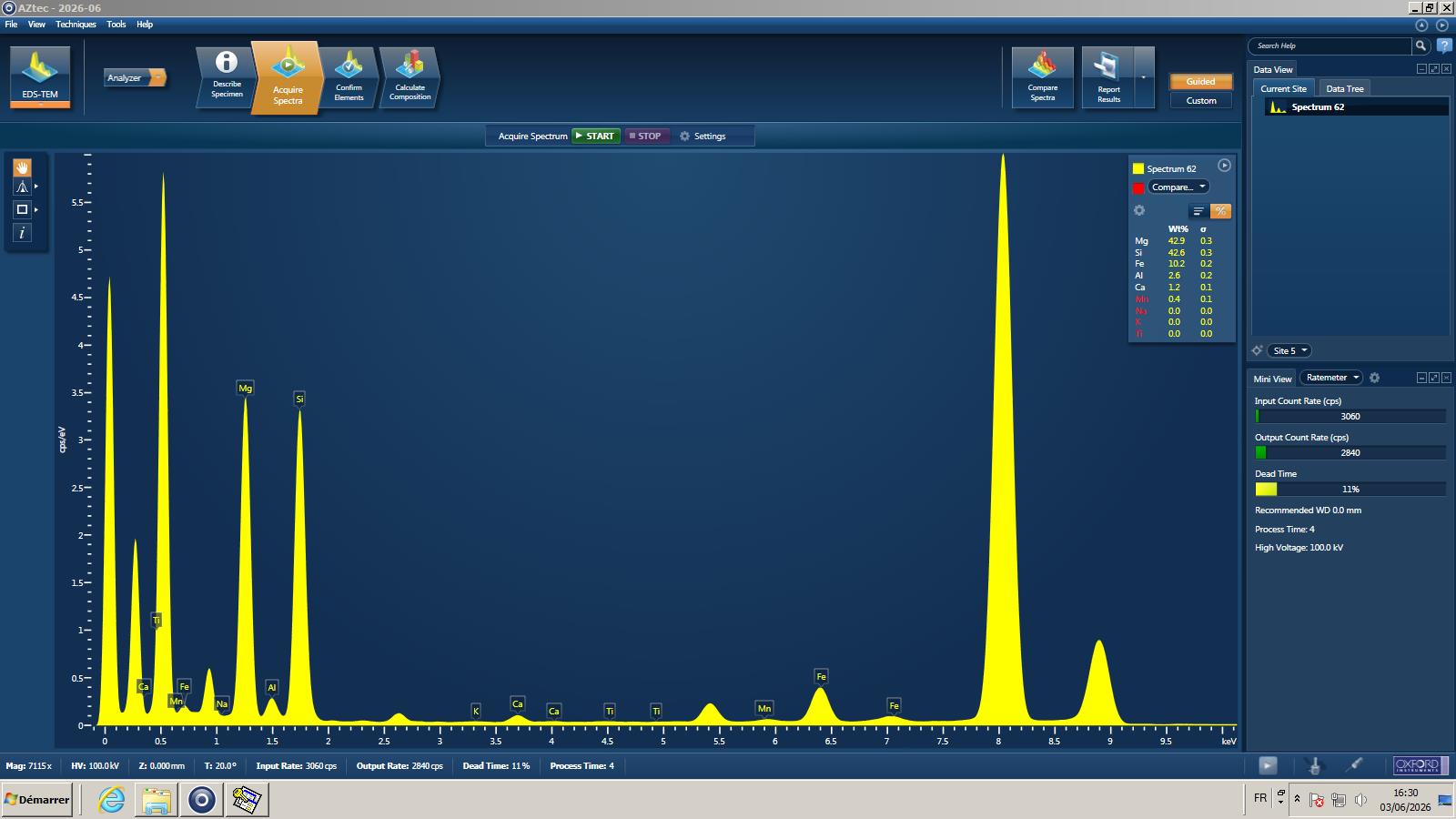
During analytical electron microscopy, chemical information may be obtained from the observed fibres in the form of spectra. These data allow the elemental composition of a fibre to be compared with the expected characteristics of certain mineral fibre families.
A spectrum must not be interpreted in isolation. It must be considered together with the morphological observations, sample context, preparation method and applicable analytical criteria. This combination of evidence enables the laboratory to conclude whether asbestos is present or absent according to the method used.
Airborne asbestos analysis and the PCM method
PCM, or phase contrast microscopy, is a method used to count fibres in certain air analysis contexts. It enables the fibre concentration to be assessed according to defined observation criteria.
Airborne asbestos analysis may include dust concentration measurements, worksite monitoring, periodic inspections, clearance testing or monitoring of exposure to fibres. The choice of method depends on the regulatory context, type of sampling and purpose of the analysis.

For airborne asbestos analysis, BJL Laboratoires helps asbestos surveyors, removal contractors, project owners, industrial companies and local authorities select the appropriate service.
View our airborne asbestos analysis page.
Asbestos analysis of materials
Materials analysed in the laboratory can vary considerably. Samples may originate from buildings, construction sites, road asphalt, soil, waste, demolition materials or heterogeneous matrices.
Materials commonly encountered include asbestos cement sheets, floor tiles, adhesives, coatings, pipe insulation, sprayed coatings, seals, mastics, paints, levelling compounds, bituminous asphalt, aggregates and construction waste.
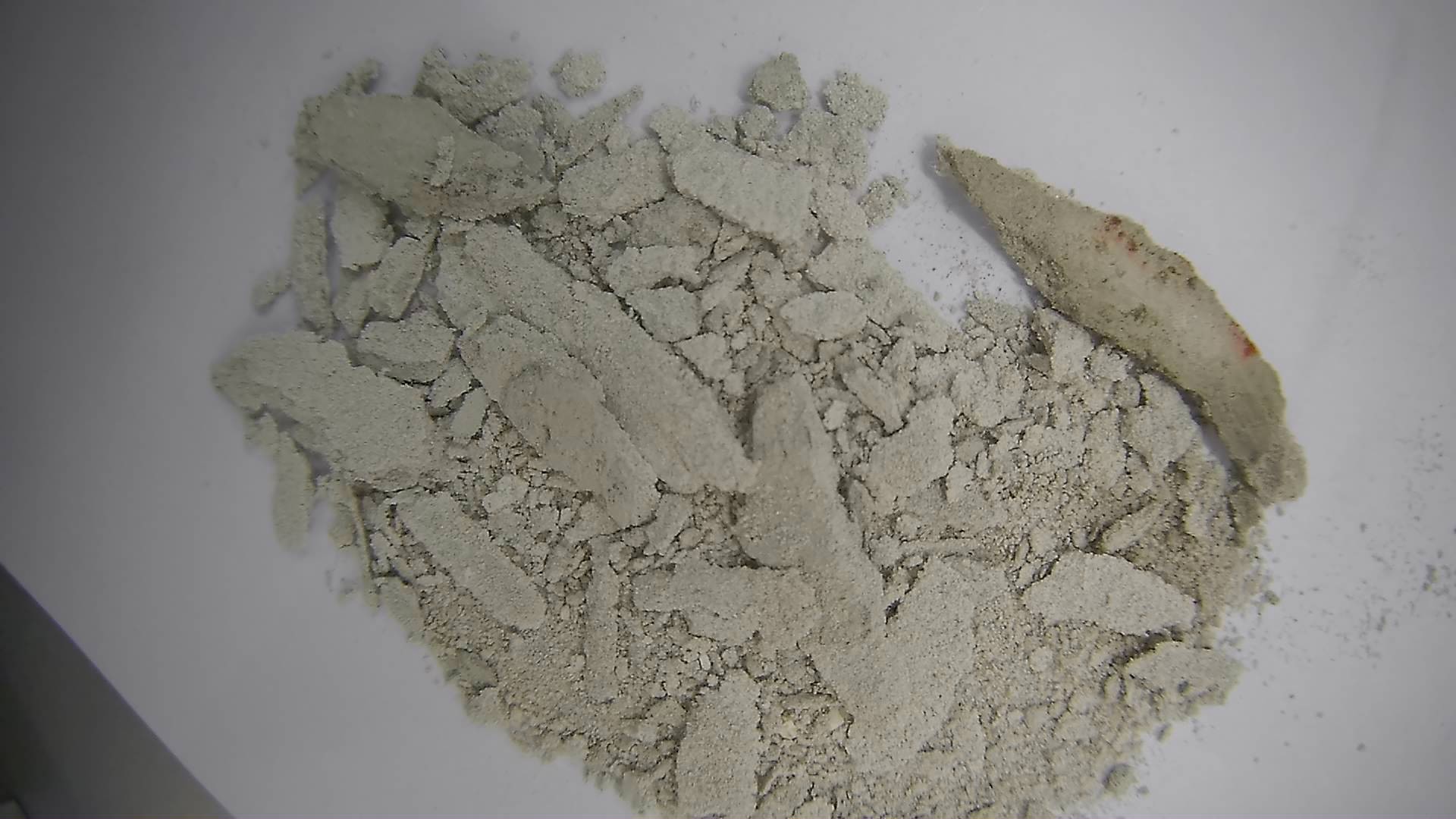
Sample preparation is an essential stage. Depending on the matrix, the laboratory may need to separate, clean, divide or otherwise prepare the material to make reliable observation possible.
View our asbestos testing page for materials.
Which method should be selected for asbestos analysis?
The choice of method depends mainly on the type of sample, matrix, purpose of the analysis and regulatory context. Analysis of a bulk material, an air sample, asphalt or waste does not necessarily involve the same requirements.
In some cases, an optical method may be suitable. In other situations, particularly where fibres are very fine or the matrix is complex, an electron microscopy method may be required. It is therefore important to provide the laboratory with relevant information about the sample and the context of the request.
- Nature of the material or sample;
- Origin of the sample;
- Context: survey, works, demolition, monitoring, waste or worksite;
- Number of samples;
- Required turnaround time;
- Any particular requirement relating to the report or applicable regulations.
Sending a sample for asbestos analysis
To request asbestos testing, samples can be delivered or sent to BJL Laboratoires. Each sample should be clearly identified, with details of the material type, sampling context and client's contact information.
Professionals submitting several samples should include a clear sample list showing the references required on the report.
Request a quote View our asbestos testing services
Frequently asked questions about asbestos analysis methods
What is the difference between PLM and ATEM?
PLM is an optical observation method using polarised light. ATEM uses analytical transmission electron microscopy, enabling much finer fibres to be observed and providing additional information useful for fibre identification.
Is ATEM used for complex materials?
Yes. Analytical electron microscopy may be used for certain complex matrices where the sample characteristics require finer observation or more detailed fibre identification.
Can PCM identify asbestos?
PCM is used for fibre counting in certain air analysis contexts. It does not perform the same role as analytical electron microscopy for the precise identification of asbestos fibres.
Which method should I request for my sample?
The choice depends on the type of sample and context of the request. If in doubt, contact BJL Laboratoires so that the request can be directed to the appropriate service.
Can BJL Laboratoires analyse materials, air samples and asphalt?
Yes. BJL Laboratoires performs asbestos analyses on a range of sample types, including building materials, air samples, asphalt, soil, waste and complex matrices, depending on the services offered.
For a specific request, contact the laboratory or use the quotation request form.